Digital Hearing Aids
We offer top quality hearing instruments from the leading hearing device manufacturers. Being a family-owned practice in Delaware for over 30 years, we believe that your satisfaction is our top priority.
Learn MoreHearing Tests
If you suspect that you or a loved one have hearing loss, schedule a no-obligation hearing test with our audiologist and get the answers you are looking for.
Learn MoreVideo Otoscopy
Whether you need hearing aids or just have impacted ceremen (wax) in your ear, our licensed audiologist can assist you on your journey to better hearing and communication.
Learn MoreHearing Aids & Audiology in Millsboro, DE
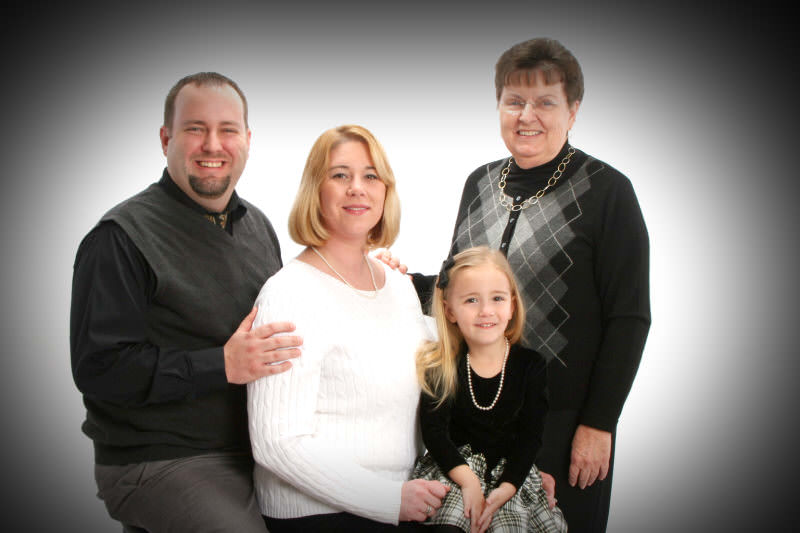
Hearing Aid Associates, an independent, local and family owned and operated business for over 30 years, was founded by Janet Favinger and Phil Dooley.
It represents many manufacturers worldwide to bring you the best instruments to improve your hearing acuity. Beginning with the hearing evaluation through the hearing aid selection and fitting, your comfort and satisfaction are our primary concern. We offer hearing tests, digital hearing aids and hearing aid repair; all by Matthew Favinger, M.S., F-AAA, Board Certified Audiologist. We are here for service, support and any other unforeseen future needs.
Learn More About Us
 Debbie Bell2021-12-03I was very happy with service I got there
 Barbara Burns2019-09-08Very thorough examination. Friendly environment.
 Roxanne Knights2019-04-10Such great professionalism....I have made this office my go specialist for ears-!
 Ross Jones2019-03-25They go out of there way to help my father with his hearing aids
 Ronald c2018-09-25So fare been treated fine awaiting hearing aids to come in.
 Miles Goodall2018-08-11Great service and friendly staff
 Ed Smith2017-03-11Fair pricing, great to deal with
 JAMES PROW2016-07-09you owe it to yourself/family/friends/employer, to be able to hear and speak with clarity. I have been using hearing aids since 1987. I just moved to Worcester county, md. and have been concerned about finding the professional level of knowledge and service I have been use to in Baltimore, md. all of my doctors in Baltimore were at johns Hopkins hospital. I went there because they are young and on the cutting edge of health care. I feel the same way about matthew favinger, audiologist with hearing aid associates. this review was unsolicited and is my personal submission. james prow - Worcester cty., md./crystal river, florida
Hearing Aid Brands We Offer


Get In Touch With Us
Phone Number
(302) 934-1471
Office Hours
Monday: 8:30am-4:30pm
Tuesday: 8:30am-4:30pm
Wednesday: 8:30am-4:30pm
Thursday: 8:30am-4:30pm
Friday: 8:30-3:00pm
Tuesday: 8:30am-4:30pm
Wednesday: 8:30am-4:30pm
Thursday: 8:30am-4:30pm
Friday: 8:30-3:00pm